Where this work fits
The builds above are my own. Some came out of work in front of me,
the rest I built to develop the skill directly. What they share is a
single function, and the market is still naming it: AI operations,
agent operations, forward-deployed enablement, internal FDE.
Underneath the titles it's one job, and I've been moving toward it on a
deliberate line: building the practice before the category settled on a
name for it. This is that work, in the terms an org actually uses:
- AI Operations & Agent Operations
-
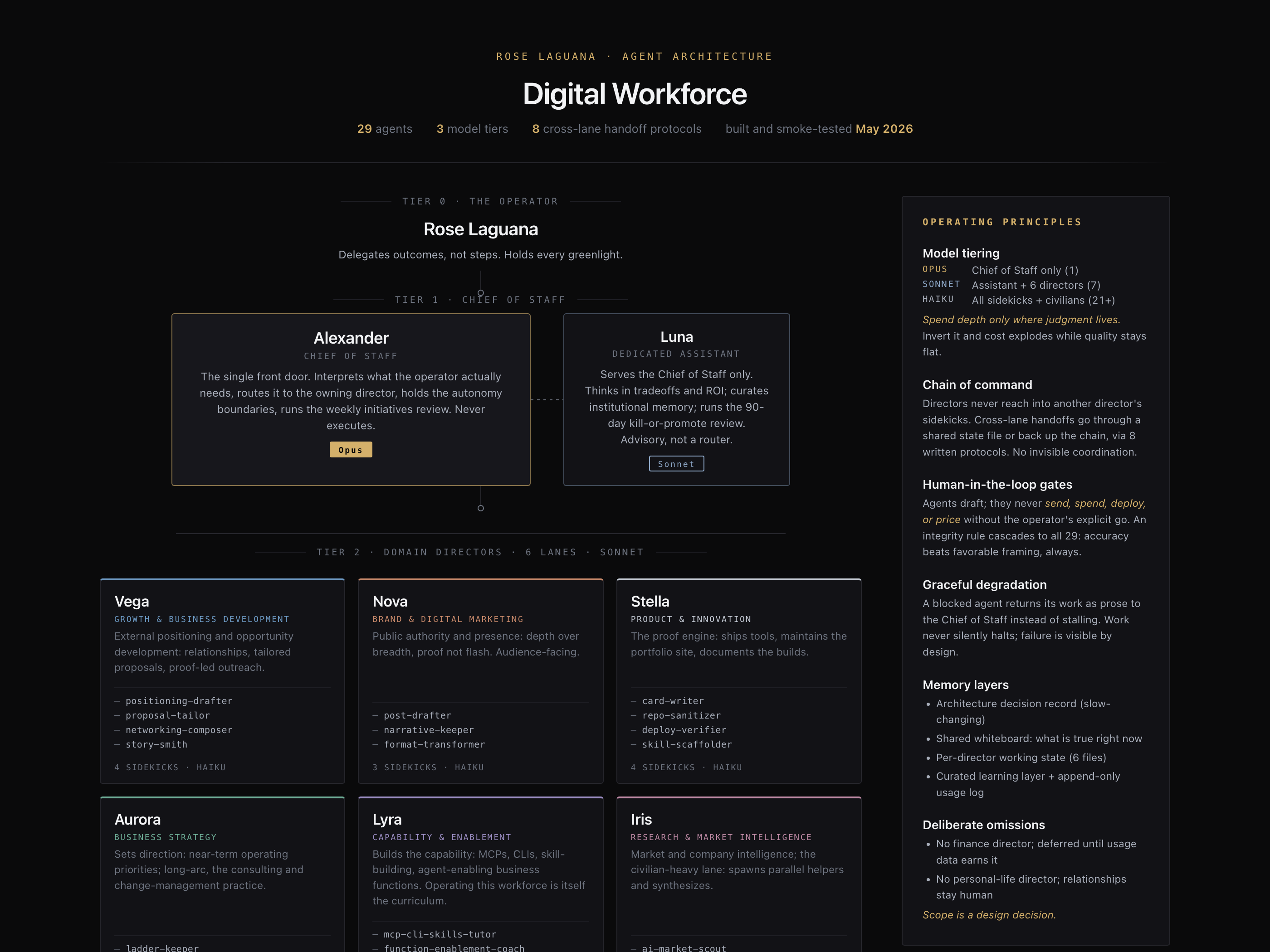
Designing a governed fleet of agents rather than demoing one.
The 29-agent workforce has defined lanes, governance, and autonomy
boundaries; the build pipeline has an audit trail and a human as
its final gate; a scheduled agent runs whether or not I'm awake.
This is the through-line under everything else on this page.
- Customer Success & CS Operations
-
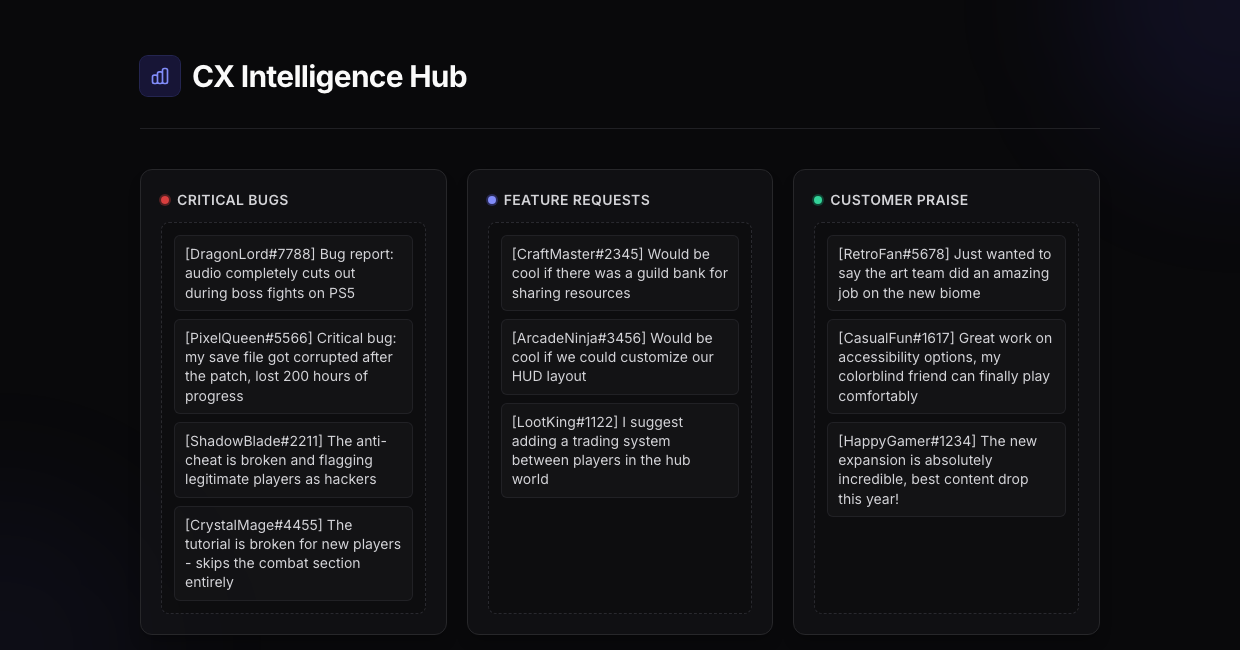
The dashboard pattern: noisy customer signal becomes triaged,
actionable decisions. Underneath it, retention instinct from a
decade of clients who rebooked every year.
- Operations & Implementation
-
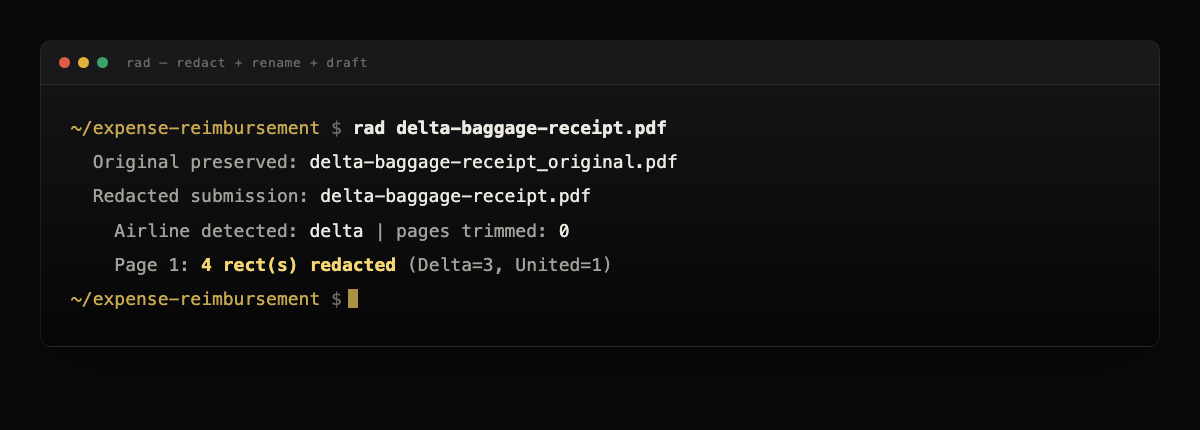
The redaction pipeline pattern: classify the document, sanitize it
by rule, verify programmatically, automate the handoff. Ops
discipline that doesn't trust eyes when a script can check.
- AI Adoption, Enablement & L&D
-
The 29-agent workforce shows what structured AI work looks like:
clear lanes, governance, and autonomy boundaries a team can
actually operate. Alongside it, a draft methodology for how teams
adopt new technology.
- People Operations & Workforce Enablement
-
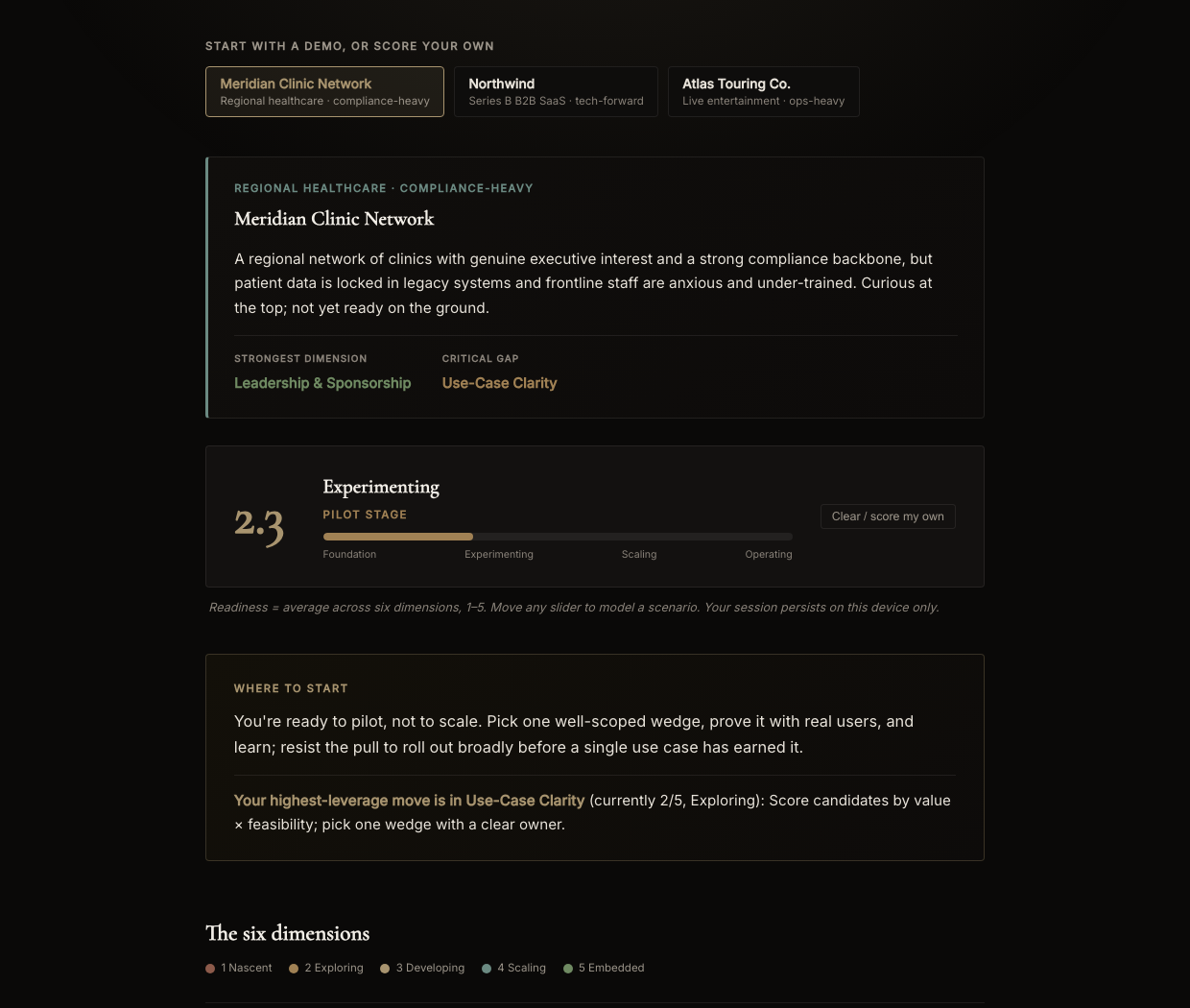
The readiness diagnostic pattern: score whether an organization's
people are actually prepared for a change before you roll it at
them. This sits underneath the operations work rather than beside
it: adoption is where a rollout succeeds or quietly fails.
Operating experience, translated
On the road
Inside an organization
A decade of annual rebooking at Dot Dot Dot
Account management and retention: clients who choose you again every year
1,900+ Cirque shows, then a Broadway National Tour
Execution under hard deadlines, reliability you can plan around
A new city and venue every week, same standard
Process design: rebuilding a workflow in new conditions and improving it each pass
Production, management, musicians, crew, venues
Cross-functional stakeholder coordination in fast-moving environments
Standing between the business side and the creative side
Translating between functions that define success differently, and getting them to move together
Re-hired contract after contract, tour after tour
The thing that keeps you in the room: low drama, high reliability, easy to work with under pressure
About
I started as a professional musician in 2000 and spent 2005 through 2026
on the road, which is longer than the ten-year warranty on my luggage.
1,900+ shows with Cirque du Soleil, with an annual contract renewal
year after year, and I missed only a handful across five and a half years of
ten-show weeks. Then a Broadway National Tour, returning consecutively for the
last four years. And Dot Dot Dot LLC, the venture I
co-founded and operated around my own produced albums, where clients rebooked
every year for a decade. I'm still playing. I'm also building what comes next,
in the open, before I need it.
The reliability is the part I'd point at first. Five and a half years of that, at ten
shows a week, and I can count the ones I missed. In a live operation there is no rescheduling
and no second take, so being the person who is reliably there is not a soft
quality, it's the whole job. It also taught me what it costs to be that person,
which is a large part of why I care how the next place treats the ones who are.
Breaking into that industry is one thing. Staying in it is a different game.
Continuity of work comes from the job you do and from everything around the job:
working well with people, leaving your ego at the door and offstage, and knowing
you're there to connect with an audience rather than to be the point. It takes
understanding how the business side and the creative side actually fit together
and being able to move between them, in rooms where the stakes are high and
nobody has time for you to be difficult. That is a discipline, and it took years.
It's also the half of AI operations that job descriptions underweight. The tools
are learnable. Getting a room of people to genuinely change how they work is the
part that isn't.
That's the part I don't have a tidy story for yet. I'm in the middle of a change
I chose, without a finished map, building the proof in public as I go. Some of
what's on this page has done real work. Some of it is a draft I'm still arguing with.
I've said which is which, because a portfolio that hides its seams isn't proof
of anything.
What I keep building, without setting out to, is the same thing. A diagnostic
that scores whether an organization is actually ready to adopt AI. An agent
workforce with governance and autonomy boundaries, so a person always knows what
the machine is allowed to decide on its own. A multi-agent build pipeline whose
final gate is a human being. I didn't plan a theme. I have one.
So here it is plainly. My read is that AI adoption fails on people far more often
than it fails on technology, and that most organizations are far better resourced
to fix the technology. I want to work where someone is accountable for the humans
in that equation. That's the direction. Everything on this page is me earning my
way toward it. Proof, not flash.